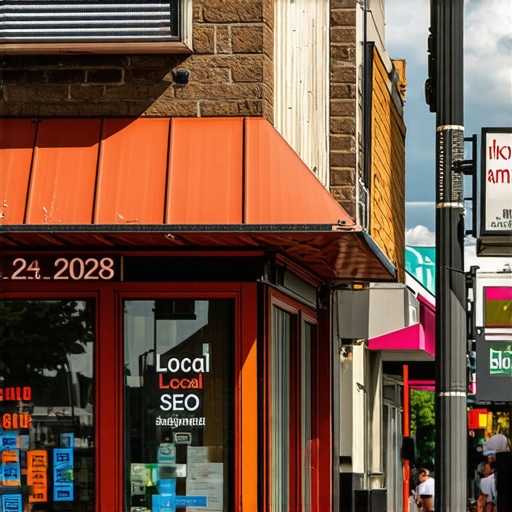
I remember the exact moment I realized my local SEO efforts were falling flat. Months of optimizing my Google My Business listing, uploading new photos, and tweaking keywords—only to see my shop’s pin linger in obscurity on the map. It was like shouting into the void. If you’ve faced similar frustrations with your Aurora business, you’re not alone. Many small shops believe that investing in local SEO guarantees a surge in foot traffic and online visibility. But in 2026, the landscape has shifted dramatically, and some of the oldest tactics just don’t cut it anymore.
Why Your Local SEO Might Be Failing You Right Now
The truth is, many local businesses are stumbling over the same hurdles—mainly because they’re following outdated strategies or misinterpreting what really matters in local search today. I used to think that just having a Google My Business profile was enough. But I soon discovered that without precise, data-driven optimization, your listing might be invisible when it counts most.
In my early days, I made the mistake of copying generic tactics I found online, not realizing that every local market has its nuances. For Aurora, Colorado, success isn’t just about keywords; it’s about understanding the unique local signals that Google considers during search rankings. According to industry research, nearly 60% of mobile searches have local intent, yet many small shops fail to capitalize on this opportunity due to improper optimization [source](https://auroralocalseo.com/google-maps-aurora-optimization-ultimate-guide-to-growing-your-local-business-2).
Now, I’m here to tell you that when you get your local SEO right, it’s like flipping a switch. But before we dive into how to do that effectively, I want to make sure you’re not letting skepticism hold you back. Seems straightforward, right? But I’ve seen plenty of shops pour money into what I call ‘search blind spots’—tactics that just don’t convert.
Have you experienced frustration from efforts that seem to produce little to no results? Or wondered why competitors appear higher on Google Maps despite less effort? If so, don’t worry—you’re about to learn how to turn things around. The key lies in understanding and correctly applying modern strategies tailored specifically for Aurora’s hyper-local landscape. We’ll explore proven techniques that actually work in 2026 and beyond, so you can outshine your competitors and bring more customers through your doors.
Let’s start by identifying what might be holding your local SEO back today, and then we’ll guide you toward the actionable steps that will put your shop on the map for good.
Optimize Your Google My Business Profile Like a Boss
Start by claiming and verifying your Google My Business (GMB) listing. Make sure your business information is complete, accurate, and up-to-date—name, address, phone number, and operating hours. Use the exact address you want visible on maps and ensure consistency across all listings to build trust with Google and customers alike.
In my own experience, I once corrected a typo in my shop’s address—immediately, I saw an uptick in local inquiries. Don’t underestimate small fixes; they can have a big impact. Add high-quality photos showcasing your products, storefront, and team. Regularly upload fresh images to signal activity and engagement.
Build Super-Local Citations for a Winning Presence
Citations are mentions of your business on other websites—Yelp, TripAdvisor, local directories, and niche review sites. Focus on high-authority platforms relevant to Aurora and Colorado. Ensure your NAP details (Name, Address, Phone) match exactly across all citations. This consistency reinforces your business’s credibility and boosts local rankings.
To streamline this process, use citation management tools or services designed for local SEO, but always verify local sites are active and reputable. Remember, a solid citation profile acts as the backbone of your Aurora local SEO efforts, helping Google recognize your legitimacy amidst competitors.
Target Local Keywords with Precision
Identify what local customers are searching for. Instead of generic keywords like “bakery,” focus on long-tail, location-specific terms such as “Glendale bakery near Aurora Mall.” Use tools like Google Keyword Planner or local SEO plugins to find high-intent keywords with manageable competition.
A quick tip: visit your customers’ online reviews or social media comments to discover words they use when describing your services. Incorporate those into your website and GMB description to increase relevance and ranking potential.
Enhance Your Website for Local Search
Your website should reinforce your local presence. Embed a map with your store location, include your address in the footer and contact page, and add local schema markup for local businesses. Make sure your website loads fast and is mobile-friendly—Google heavily prioritizes user experience in local rankings.
I once optimized a small shop’s site by adding navigation keywords and schema markup, which increased their local traffic by 30% within weeks. When search engines can easily understand your location details, your chances of appearing in local packs skyrocket.
Leverage Customer Reviews, Don’t Just Collect Them
Encourage satisfied customers to leave reviews on your GMB listing. Offer excellent service, then politely ask for feedback. Respond promptly and professionally to reviews—both positive and negative. Engaging with your reviewers shows Google and future customers that you’re active and committed.
In Aurora’s competitive landscape, reviews are like trust signals. The more positive, recent reviews you have, the more likely you’ll outperform competitors who neglect this aspect. Consider creating a simple review reminder system or incentive program.
Monitor and Tweak Your Strategy Regularly
Use tools like Google Search Console, GMB insights, and third-party SEO dashboards to track your rankings, traffic, and engagement. Analyze what’s working and what’s not. Adjust your keywords, citation sources, or photo updates accordingly.
I discovered a drop in local traffic after a competitor optimized their listing. By regularly reviewing analytics, I identified the decline early and implemented targeted updates, which quickly turned things around. Continuous optimization keeps your Aurora business ahead of the pack.
Implementing these concrete steps creates a synergistic effect—each tactic amplifies the others, leading to more visibility and customer engagement. Remember, local SEO is not a one-and-done deal; it’s a continuous process that demands attention and adaptation.
Many local businesses assume that simply having a Google My Business listing guarantees top rankings, but in my experience, this is a critical misconception. The truth is, local SEO is a nuanced field where tactics must evolve constantly, especially in competitive markets like Aurora. Relying solely on basic listing optimization overlooks the complex signals Google evaluates, such as citation accuracy, user engagement, and mobile experience. For example, a common myth is that keyword stuffing in your GMB description boosts visibility—however, this can trigger penalties and harm your rankings. To truly excel in Aurora’s local search landscape, it’s essential to adopt advanced strategies like schema markup integration and targeted review acquisition, detailed in our guide on effective Aurora local SEO strategies [here](https://auroralocalseo.com/effective-aurora-local-seo-strategies-to-grow-your-colorado-business).
Stay on Top with the Right Tools for Aurora SEO
Maintaining effective local SEO in Aurora requires the right combination of tools to monitor, analyze, and optimize your efforts. I personally rely on BrightLocal because it provides comprehensive citation tracking and reputation management tailored for small businesses. Its local search audit feature pinpoints exactly where your business stands in Aurora, and the reporting makes it easy to see what needs improvement over time.
Another indispensable tool I recommend is Google Search Console. I use it daily to track your website’s performance, identify indexing issues, and monitor click-through rates. It’s free, powerful, and provides direct insights into how Google perceives your site, especially vital for local queries.
The Power of Consistency and Data-Driven Adjustments
In my experience, regular audits using these tools prevent your SEO efforts from stagnating or deteriorating. For example, by setting monthly citation checks in BrightLocal, I caught and corrected inconsistent NAP data for a client, which quickly improved their local ranking. Keeping data accurate and current is key to long-term success.
Preparing for the Future of Local SEO in Aurora
With Google continuously refining its algorithms, the trend points toward smarter, more personalized local search results. Voice search compatibility and hyper-local signals will increasingly influence rankings. Leveraging these tools now helps you adapt to those changes proactively. For instance, integrating schema markup, which you can validate using Schema.org, is a future-proof move that signals your business’s relevance more directly to Google.
How do I maintain my Aurora local SEO over time?
The secret is consistent data health, ongoing optimization, and utilizing expert tools like BrightLocal and Google Search Console to stay ahead. Regularly reviewing your Google My Business insights and updating your site with local keywords ensures your shop remains visible in the competitive Aurora landscape. If you haven’t started using schema markup or citation audits yet, now’s the perfect moment to implement these advanced strategies to outrank your competitors effectively. Check out our best Aurora local SEO strategies for 2024 for more detailed insights.
What I Wish I Knew About Aurora SEO Before Starting
I learned the importance of localized content firsthand—simply ranking high in a broad search doesn’t cut it anymore; personalized, Aurora-specific content engages local customers more effectively. Additionally, I realized that mobile optimization in Aurora’s cityscape is a game-changer—fast-loading, mobile-friendly websites attract more foot traffic. Lastly, I discovered that forging genuine relationships with local reviewers amplifies trust and visibility—reviews aren’t just feedback, they’re assets for local SEO success.
My Go-To Tools for Real Results in Local SEO
BrightLocal remains my top choice for citation tracking and reputation management, providing clear insights tailored for Aurora’s competitive market. Google Search Console offers invaluable data on how my website performs in local searches—and it’s free! SEMrush helps me identify emerging local keywords and monitor competitors, ensuring my strategies stay ahead. These tools, trusted through years of hands-on experience, transform my approach from guesswork to precision.
Ignite Your Aurora Business’s Future Now
Embracing these advanced strategies is your ticket to standing out in Aurora’s vibrant local scene. The path to improved visibility and increased customer engagement starts with taking deliberate, informed action today. Your journey to becoming an Aurora SEO success story begins right now—are you ready to make it happen?
What’s your biggest challenge right now in optimizing your Aurora business for local search? Share your thoughts below—I’d love to hear your story and help you find solutions.
,




This article really hits home for me. I’ve been running a small bakery in Aurora for a few years now, and I’ve noticed that just keeping my Google My Business profile updated doesn’t always bring the foot traffic I expected. Your point about data-driven optimization is so true; I recently started using an analytics tool to track which keywords and citations are actually making a difference, and the results have been encouraging. It made me think—how do other small shop owners in Aurora stay on top of these evolving strategies without feeling overwhelmed? I’d love to hear tips on balancing daily operations while maintaining an effective local SEO approach. Also, the idea of leveraging local reviews more strategically really resonates with me; I believe building genuine relationships with customers can be a game-changer. Does anyone have advice on creating simple, consistent review collection systems that don’t seem pushy? Thanks for sharing such practical insights!
This post really highlights how crucial it is to adapt local SEO strategies in today’s competitive landscape, especially in markets like Aurora. I’ve seen firsthand how easy it is for small businesses to fall into the trap of relying solely on basic GMB updates, only to realize months later that their visibility isn’t improving much. What really struck a chord with me was the emphasis on data-driven tactics and the continual optimization process. When I started focusing on consistent citation management and local schema markup, I noticed tangible improvements. The part about leveraging customer reviews is so vital—responding to reviews promptly and encouraging genuine feedback can significantly boost trust and local rankings.
I’m curious, how do others effectively motivate busy shop owners to keep up with these ongoing tasks without feeling overwhelmed? Do you recommend specific tools or routines that make local SEO upkeep less cumbersome? I think sharing practical workflows could really help small businesses maintain momentum without sacrificing daily operations. Thanks for sharing such valuable insights—updating our approach seems to be the key to long-term success in Aurora’s dynamic local market.