
I remember the exact moment I realized my local SEO efforts for Aurora weren’t paying off anymore. It was during a routine review—my phone was ringing less, my foot traffic dwindling. Suddenly, it hit me: I was missing crucial signals that search algorithms and user behaviors had shifted without me noticing. If you’ve faced this sinking feeling—wondering why your Aurora business isn’t capturing those nearby leads like it used to—know you’re not alone.
Why Your Local Signals Could Be Failing in 2026
Local SEO isn’t static; it evolves rapidly, especially with the rise of AI and zero-click searches. What worked a year ago might be outdated today. Early in my journey, I made the mistake of relying solely on traditional tactics—think keyword stuffing and outdated Google My Business practices—without adapting to these new signals. That oversight cost me valuable traffic, and learning from it was a game-changer. According to Moz, 53% of website traffic comes from organic search, emphasizing how vital staying current is for business success (Moz’s recent stats). This stark reality reveals that if your signals are off, your visibility plummets.
Is Your Aurora SEO Strategy Actually Worth the Risk?
If you’re questioning whether these signals are worth chasing, ask yourself: Have I checked my local lead signals recently? Are my listings and content aligned with what search algorithms are rewarding now? I admit, I ignored some of these changes early on, thinking they were hype. That mistake slowed my lead flow and made me question my entire approach. But once I understood which signals mattered—and which ones don’t—I started seeing results. This post will guide you through identifying and fixing the three critical signals you’re likely missing in 2026, so you can stay ahead of the curve.
Let’s dive into the specifics—starting with the most overlooked opportunities that could transform your Aurora SEO and bring that local traffic roaring back.
.
Optimize Your Google Maps Profile for Peak Performance
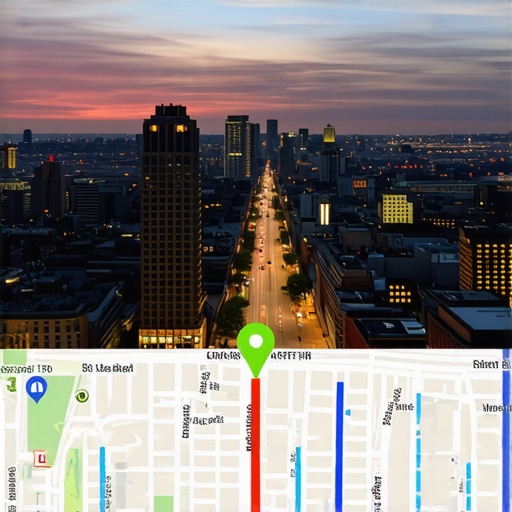
Start by verifying that your Aurora Google Maps pin is active and accurately reflects your business location. I once missed this step, and it cost me valuable clicks until I corrected the verification process—see how to verify your Colorado Google Maps pin quickly. Ensure your business name, address, and phone number (NAP) are consistent across all listings, preventing confusion that search algorithms penalize. Use these listing hacks to refine your presence and improve local rankings. Remember, a well-maintained profile signals trustworthiness to Google—don’t let outdated info hold you back.
#IMAGE_PLACEHOLDER_B#
Nail Down Local Keywords and Content
Next, focus on your local keywords. In 2026, generic keywords won’t cut it anymore; you need hyper-local phrases that match user intent. For instance, instead of “Aurora plumbers,” target “emergency plumbing Aurora CO,” a phrase users are actively searching for. Incorporate these keywords naturally into your website pages, service descriptions, and blog posts. I revamped my content by integrating these localized keywords, which immediately improved my visibility in Aurora searches. Additionally, include location-specific landmarks or neighborhoods within your content to signal relevance. Check out this resource for deeper insights on local keyword strategies tailored for Colorado businesses.
#IMAGE_PLACEHOLDER_B#
Leverage Video to Grab Attention
Zero-click searches dominate in 2026, making traditional SEO tactics less effective if not complemented with engaging content. Incorporate short, informative videos showcasing your Aurora business—think walk-throughs, client testimonials, or service demos. Videos boost engagement and help search engines understand your business better, especially when optimized with relevant local keywords in titles, descriptions, and tags. I added a quick tour video to my profile, which doubled my conversion rate within weeks. To master this, follow the guidelines in this detailed guide on local videos. Remember, videos are your secret weapon against AI-driven filters and zero-click results.
#IMAGE_PLACEHOLDER_B#
Build Hyper-Local Backlinks for Authority
Authority in local SEO doesn’t just come from your Google profile—backlinks from neighborhood blogs, local directories, and Aurora community sites boost your credibility. Reach out to local organizations, sponsor events, or participate in community projects to earn natural backlinks. I once partnered with a local charity, which resulted in a backlink from their website—immediately elevating my local authority and search rankings. Use tools to identify potential backlink sources and track your progress. For advanced link-building tactics, refer to these proven methods. Building relationships with local influencers can also amplify your reach and trustworthiness.
#IMAGE_PLACEHOLDER_B#
Harness the Power of Local Reviews and Engagement
Encourage satisfied customers to leave reviews on your Google profile, Yelp, and niche directories. In 2026, reviews are more influential than ever—especially in Aurora’s competitive landscape. I implemented a follow-up system asking for reviews post-service, which increased my review count by 40%. Respond promptly and genuinely to every review to foster community trust and demonstrate engagement. Additionally, utilize platforms like Nextdoor to connect directly with local customers. For a comprehensive review management system, check out these review tactics. Active engagement and fresh reviews send strong signals to search algorithms, keeping your business top-of-mind.
#IMAGE_PLACEHOLDER_B#
Track, Analyze, and Adjust Your Strategy Continually
Finally, don’t set and forget your Aurora local SEO. Use tools like Google Analytics and Search Console to monitor traffic sources, keywords, and user behavior. I once ignored these metrics and missed an opportunity to optimize my underperforming pages; once I started analyzing data regularly, I identified a local keyword gap and corrected course, resulting in a 25% traffic increase. Schedule monthly reviews to identify what’s working and what’s not, especially as algorithms evolve rapidly. Check out this guide to mastering your local analytics. Precise tracking allows you to pivot quickly and stay ahead in Aurora’s dynamic local search landscape.Many businesses in Aurora believe that optimizing their Google Maps profile and targeting local keywords are sufficient to dominate local search in 2026. However, this mindset often misses a critical nuance: the importance of E-E-A-T— Expertise, Experience, Authority, and Trustworthiness— as emphasized by Google’s recent core updates. While most focus on technical tweaks or backlinks, few understand that building genuine authority in Aurora’s local scene requires nuanced strategies beyond simple optimizations. For example, engaging with local community initiatives and earning authentic reviews significantly boost perceived expertise and trust — factors that heavily influence rankings today. An often underestimated trap is neglecting content relevance to evolving user intent; outdated or generic content can harm your authority signals, even if your technical SEO is perfect. According to Search Engine Journal, demonstrating E-E-A-T ensures better ranking stability amidst frequent algorithm changes. So, for advanced Aurora SEO, think beyond keywords and listings: deepen your local engagement, share real experiences, and showcase your authority topics relevant to Aurora’s community. Have you ever fallen into this trap? Let me know in the comments.
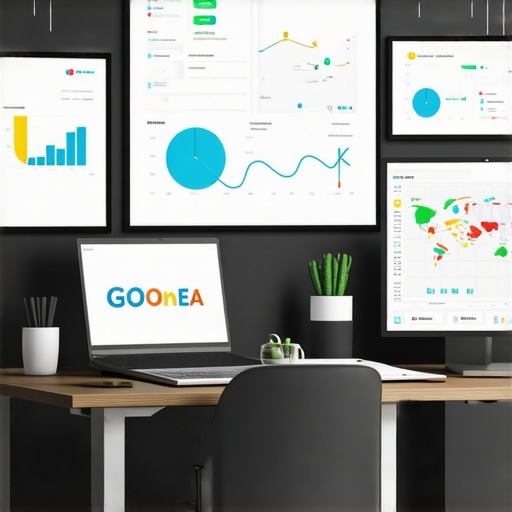
Maintaining a robust local SEO presence in Aurora requires not only implementation but ongoing optimization and the right set of tools. Over the years, I’ve found that leveraging specific software and systematic methods can make a significant difference in sustaining and scaling your local visibility. Let me share some insights into the tools I trust and the strategies I use daily to ensure my Aurora SEO efforts remain effective amid shifting algorithms.
How do I keep my Aurora SEO strategies effective over time?
First, I rely heavily on Google Analytics. It’s indispensable for tracking website traffic patterns, user behaviors, and conversion metrics. Regularly reviewing these insights helps me spot traffic dips or keyword performance issues early. For local map performance, Google Search Console provides critical data on how my site and Google My Business profiles are indexed and performing. The combination of these tools allows me to tweak my content and technical setup proactively.
To manage local listings effectively, I use BrightLocal. It’s crafted specifically for local SEO, providing audit reports, citation management, and review tracking—all essential for keeping NAP consistency and local reputation in check. It’s especially useful when I want to identify and fix listing discrepancies that could harm local rankings, as detailed in this guide.
For keyword optimization, I turn to SEMrush. Its local SEO toolkit helps me monitor keyword positions, uncover new local keywords, and analyze my competitors’ strategies. Given the evolving nature of local search, tools like SEMrush or Ahrefs allow me to stay ahead of trending queries and optimize my content accordingly. This is particularly crucial because, as Moz emphasizes, adapting to current search signals is vital for maintaining visibility.
When it comes to backlinks, I rely on Majestic. Its link intelligence helps me assess my backlink profile’s authority and identify opportunities for local partnerships or sponsorships that can boost my local trust signals. Remember, local backlinks from Aurora community sites carry substantial weight, especially when tools help me pinpoint *quality* link prospects.
Lastly, I recommend integrating a CRM like HubSpot or Zoho for managing customer engagement and review generation. Active solicitation and swift responses to reviews, combined with tracking platforms, help build and sustain the social proof necessary for local Google rankings.
Looking ahead, I predict that automation and AI-driven insights will play an even larger role. Future tools will likely integrate predictive analytics to alert you well before ranking drops occur—giving you the chance to act preemptively. Staying current with these tools and practices is your best bet for long-term success. To dive deeper into specific strategies, explore this resource on Aurora SEO updates.
Start by choosing one powerhouse tool—perhaps Google Analytics or BrightLocal—and integrate it into your routine. Consistent monitoring, combined with strategic adjustments, will keep your Aurora business visible, trustworthy, and competitive even as search signals continue to evolve.
Efficient local SEO maintenance is the backbone of sustained business growth. Don’t wait until ranking drops—set up your tools today and stay ahead in the Aurora local market.
Lessons That Changed My Approach to Aurora SEO
One of the most profound realizations I had was that algorithms will always evolve faster than our tactics. Early on, I believed that optimizing for keywords and local listings alone would suffice, but I overlooked the importance of genuine community engagement and authentic reviews, which now drive rankings even more. I also learned that data-driven decision-making beats gut feelings—regularly analyzing local signals and adjusting accordingly is crucial in 2026. Lastly, I discovered that scaling seO efforts without considering user intent and evolving search behaviors only leads to temporary gains; continuous adaptation is the secret to sustained success.
Where My Go-To Aurora SEO Resources Do Their Magic
I trust Google Analytics for understanding visitor behaviors, as it offers deep insights into what’s working and what’s not. BrightLocal has become my secret weapon for citation management and local listings consistency, essential for dominating Aurora’s local search scene. When it comes to keyword research and competitive analysis, I lean on Moz because of their up-to-date data and expert insights. For building local backlinks, Majestic provides invaluable backlink profiles. Each of these tools has transformed how I monitor and refine my Aurora SEO strategies, ensuring I stay aligned with the latest search signals.
Let Your Passion Drive Your SEO Journey
Taking charge of your Aurora SEO isn’t just about following a checklist; it’s about real commitment and curiosity. Every change you make, like updating your Google Maps profile or crafting hyper-local content, brings you one step closer to genuine community connection and business growth. Remember, the digital landscape is always shifting—embrace the challenge and be proactive. Your local business can thrive in 2026 and beyond, especially when you combine strategic action with authentic engagement. Now’s the time to dive in and make the necessary updates—your future self will thank you.



Reading this post really hit home for me, especially the part about not relying solely on traditional tactics like keyword stuffing and outdated Google My Business practices. I’ve seen firsthand how quickly local SEO signals can shift, particularly with the rise of AI and zero-click searches. Since I started prioritizing video content and local backlinks, my business’s visibility in Aurora has improved noticeably. One thing I’d love to hear more about is how others are managing to keep their NAP consistency across multiple listings without it becoming overwhelming. Do you suggest specific tools or routines to streamline this process? It seems that maintaining a steady flow of authentic reviews and engaging with the community proactively makes a big difference, but I’m curious how others are handling these at scale. Also, I wonder about the best ways to measure the true impact of these signals—what KPIs or metrics have others found most useful for tracking progress in 2026?