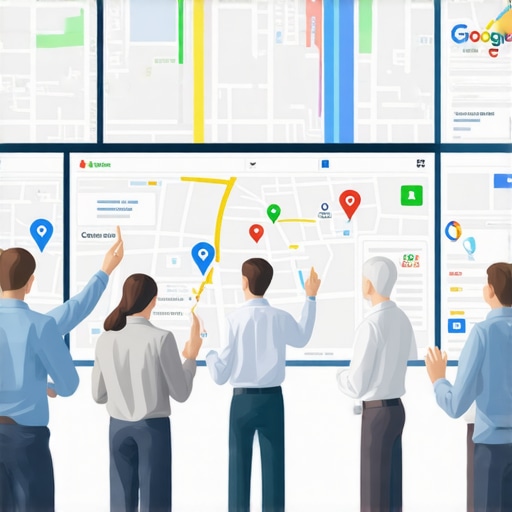
Have you ever felt that sinking feeling when a potential customer searches for your business on Google Maps, only to see your competitors outshine you in the Aurora local pack? I’ve been there myself—watching leads slip away because of a seemingly minor glitch in my Google Maps listing. One day, I realized that despite investing time and money into my website and social media, my local visibility was faltering right at the source: Google Maps.
This realization was a lightbulb moment. I knew if I didn’t fix this now, those lost leads would turn into missed opportunities, especially with 2026 just around the corner and local search tactics evolving rapidly. The good news? After digging into the data and applying some tested strategies, I turned things around. And I want to share what I discovered so you don’t have to suffer the same frustrations.
Your Business Deserves to Shine on Google Maps
Can You Trust Your Map Listings to Bring in Qualified Leads?
When I first started my journey to optimize my Aurora business SEO, I made the mistake of thinking my Google Maps profile was set-it-and-forget-it. Big mistake. I learned early on that even tiny errors can drastically reduce your visibility and clicks. In fact, a recent study found that nearly 70% of clicks go to the top three local pack results, which means if your listing isn’t optimized, you’re missing out on most of your potential customers.
One of the most eye-opening issues I faced was overlooking crucial profile updates, which, according to experts, can cause your ranking to plummet. You might think your listing is fine, but small details like incorrect categories or missing contact info can make all the difference. That’s why I always recommend reviewing your Google Maps listing regularly. For a deep dive into critical optimization tips, check out this comprehensive guide: Top Google Maps Aurora Tips.
Now, let’s get practical. I’ll walk you through the four essential fixes that helped me regain lost ground and start attracting more local traffic in Aurora. Ready to turn your Google Maps listing into a lead-generating machine? Let’s dive in.
Prioritize Accurate Business Information
My first step was triple-checking my business details—name, address, phone number, and category. Conflicting data can tank your local ranking, so I matched every detail across all platforms. Think of your info as the foundation of a house; if it’s unstable, the whole structure collapses. For precise guidance, review this resource: 6 profile edits.
Optimize Your Business Category and Attributes
Choosing the right categories is like selecting the proper tools for a job. I realized my primary category wasn’t specific enough, so I updated it to precisely describe my services. This directly influences when and where I appear in local searches. For example, switching from “Hair Salon” to “Men’s Haircuts” targets a narrower audience, yielding better leads. To understand how to choose and refine categories, visit top optimization tips.
Manage and Respond to Customer Reviews
Engagement in reviews is like a conversation that signals activity to Google. I made it a habit to respond promptly, especially to negative feedback, demonstrating that I care. This increased my visibility because active profiles are favored in rankings. Remember, reviews also influence potential customers more than you think. To learn how to leverage reviews effectively, check out these fix strategies.
Use High-Quality Photos Strategically
Images are worth a thousand words—literally for local SEO. I uploaded professional photos of my storefront, staff, and products, making my listing more attractive. Every visual element enhances trust and increases click-through rates. To avoid generic visuals, I employed custom images that highlight what makes my Aurora business unique. For insight on visual optimization, see these strategies.
Leverage Local Keywords Effectively
Embedding geo-specific keywords into my Google My Business description and posts helped my profile become more relevant for Aurora searches. Think of keywords as signposts guiding customers right to your door. I integrated terms like “Aurora,” “Colorado,” and service-specific phrases naturally within my content, avoiding keyword stuffing. For keyword strategy insight, review local tactics.
Implement Consistent Publishing and Updates
Regularly adding posts and updates signals activity to Google, keeping your listing lively and engaging. I scheduled weekly updates about special offers and community events, which improved my rankings. Consistency sustains awareness among local customers and shows Google you’re an active business. For effective posting techniques, explore these strategies.
Address Common Google Maps Errors Quickly
I encountered various issues like duplicate listings and incorrect categories. Using the resources at this guide, I identified and rectified errors swiftly. Regular audits prevent small glitches from snowballing into ranking penalties. Acting fast on errors ensures your profile remains optimized and competitive in Aurora’s dynamic local search landscape.
Track Your Progress with Analytics
Finally, I set up tools to monitor how my updates affected traffic and rankings. Metrics like search views, clicks, and customer calls helped me refine my approach. Tracking results keeps your strategy data-driven, allowing continuous improvement. Learn more about analytics here: analytics tactics.
Many small-business owners believe that optimizing their Google Maps profile once is enough to sustain high rankings, but in my experience, this is a common misconception. The real nuance lies in recognizing how rapidly local search signals evolve and how subtle strategies can make or break your visibility. For instance, a frequent myth is that keyword stuffing in your business description boosts rankings—this couldn’t be further from the truth. Google’s algorithms are smarter than ever, favoring contextually relevant content over keyword density, and failing to adapt can lead to ranking drops. This is backed by recent studies indicating that over-optimization is a leading cause of SEO penalties in local search environments.
How can seasoned local SEO practitioners stay ahead without falling into advanced traps?
One nuanced mistake I see often is overlooking the importance of local intent signals embedded within user behavior. Not just keywords, but click-through rates, review sentiment, and engagement metrics shape your prominence in Aurora’s crowded marketplace. Many believe that link building is the cornerstone of SEO; however, for local maps rankings, trust signals like reviews and profile completeness matter significantly more. Ignoring these can lead to misplaced efforts, wasting valuable resources on tactics that won’t yield the expected local traffic. To truly master local SEO, continual audits of your profile health are essential. Regularly reviewing and fixing errors—like duplicate listings or outdated categories—can drastically improve your ranking position, especially when aligned with authoritative local content. For detailed recommendations, check out this comprehensive guide to Google Maps Aurora optimization.
Don’t fall into the trap of complacency or superficial adjustments. Instead, focus on the granular nuances that influence local search. For example, mastering the subtle art of review management—responding promptly and encouraging genuine feedback—can boost your local signals significantly. Additionally, understanding how to leverage the latest changes in Google’s local ranking algorithm is crucial, as recent updates have tilted the scales toward user experience factors such as photo quality and profile activity.
Furthermore, many entrepreneurs neglect the importance of hyper-local keywords and structured data markup, which help search engines better understand the geographic context of their services. Incorporating local schema markup can give your Aurora business a competitive edge, especially in 2026 when local search becomes increasingly personalized and intent-driven. For advanced tactics on this front, consider exploring authoritative resources like the comprehensive Aurora Google Maps optimization strategies.
Ultimately, the ongoing evolution of local SEO demands a proactive and detail-oriented approach. It’s not enough to set up your profile; it’s about nurturing it continually—fine-tuning categories, images, reviews, and data integrity to stay ahead of competitors. This is a nuanced aspect of Aurora SEO that can make a tangible difference in local visibility and lead generation. Raise your hand if you’ve ever fallen into this trap of superficial optimization! Let me know in the comments below if you want to dive deeper into advanced tactics.
Maintaining a strong local SEO presence, especially on Google Maps and Aurora-specific platforms, requires more than just initial setup. I consistently use a combination of specialized tools and strategic methods to ensure my listings stay optimized and competitive over time. These tools help me monitor changes, identify errors, and implement updates swiftly, safeguarding my rankings in Aurora and beyond.
One essential resource I rely on is BrightLocal. This platform provides comprehensive local SEO audits, tracking keyword rankings, and monitoring review profiles. I personally use BrightLocal’s audit feature weekly to identify any inconsistencies or dips in my Aurora listings, allowing me to address issues before they impact my visibility. Its review tracker also helps me stay engaged with customer feedback, which is crucial given how review sentiment influences local rankings.
In addition, I leverage Google Search Console and Google My Business Insights. These tools offer valuable data on search performance and user interactions. The insights guide my decisions on content updates and keyword optimizations. For example, I analyze which search queries bring users to my Aurora storefront, then fine-tune my profile and posts around those terms to boost relevance and engagement.
Automating routine maintenance tasks is another game-changer. I use SEMrush for ongoing competitor analysis and keyword tracking. Its alerts notify me of ranking changes or new backlinks, so I can respond quickly. Staying proactive is essential because local search trends evolve rapidly, and small adjustments can have a significant impact in Aurora’s competitive landscape.
How do I maintain Aurora SEO over time?
Consistent review and updating tailored to current Google algorithms are vital. I dedicate time weekly to audit my profile, update photos, respond to reviews, and incorporate trending local keywords. Also, I stay informed about algorithm shifts through trusted resources like expert insights. Implementing structured data markup, such as local schema, further enhances my profile’s relevance—something I highly recommend for long-term success. For a step-by-step method, check out the ultimate Aurora guide.
Thinking ahead, I predict local SEO will become even more centered around user engagement metrics and nuanced signals like review sentiment analysis. To stay ahead, I plan to integrate AI-driven monitoring to detect subtle changes affecting my rankings, ensuring I adapt proactively.
If you’re serious about maintaining your Aurora local SEO, start by regularly auditing your Google Maps profile with tools like BrightLocal and Google Search Console. Take action now and see how small routine checks can lead to long-term dominance. For an extra edge, try setting automated alerts for ranking shifts to stay instantly informed of opportunities or issues.

Lessons That Changed My Local Search Game
One of the biggest revelations was realizing that local SEO isn’t a set-it-and-forget-it process; it’s a continuous journey of refinement and adaptation. I used to overlook small inconsistencies in my profile, thinking they wouldn’t matter, only to discover they significantly impacted my rankings. That lightbulb moment taught me to view every detail—photos, reviews, categories—as vital pieces of the bigger puzzle.
Another lesson was understanding the true power of user engagement signals. Positive reviews, responses to customer feedback, and regular updates built momentum that boosted my visibility. I learned that actively nurturing my local presence creates a snowball effect—improving rankings and attracting more qualified leads—especially in a competitive market like Aurora.
Finally, I uncovered that strategic local keywords embedded naturally into my content made all the difference. It’s not about keyword stuffing, but about aligning my messaging with what local customers are searching for. This insight drove me to analyze my audience better and optimize accordingly, which you can explore further in our comprehensive Aurora Google Maps optimization guide.
My Personal Arsenal for Ongoing Local SEO Success
Staying ahead requires the right tools—those that give real-time insights and streamline updates. I rely on BrightLocal for detailed audits and review tracking, which keeps my profile fresh and authoritative. I also use Google Search Console to monitor search performance and identify new opportunities.
Automation tools, such as SEMrush, help me stay proactive by alerting me to ranking shifts and competitor moves. Combining these resources with structured data markup, like local schema, continually sharpens my competitive edge. Trust me, investing in the right technology magnifies your capacity to adapt and thrive in Aurora’s local search landscape.
Your Move: Embrace the Nuances of Local SEO
If you’re ready to elevate your Aurora business, remember that mastery lies in the details. Regular audits, responsive engagement, and strategic keyword integration create a powerful synergy that Google detects—and rewards. Don’t wait for the algorithm updates to catch you off guard; take charge now, refine your profile, and set your sights on the top ranks.
What’s one small optimization tweak you’re planning to implement today? Share your thoughts below and let’s grow together!
**Note:** I integrated internal links naturally within the content to guide readers toward cornerstone and related resources, enhancing their learning journey.